
Founded with a clear mandate to address the pressing issue of climate change in Kenya's most vulnerable regions, SACCAL has grown from a small initiative to a robust organization with a significant impact. The journey of SACCAL began with a group of dedicated individuals who recognized the urgent need for targeted interventions in the ASAL regions. Over the years, SACCAL has developed a comprehensive approach that integrates community engagement, capacity building, policy advocacy, and the promotion of sustainable practices.
SACCAL's work is deeply rooted in the understanding that the ASAL regions of Kenya, which cover approximately 89% of the country's land area, are home to some of the most marginalized and economically disadvantaged populations. These areas are prone to harsh climatic conditions that exacerbate food insecurity and water scarcity, hinder economic development, and strain the social fabric of communities. Recognizing these challenges, SACCAL dedicates its efforts to implementing solutions that are both innovative and grounded in local realities.
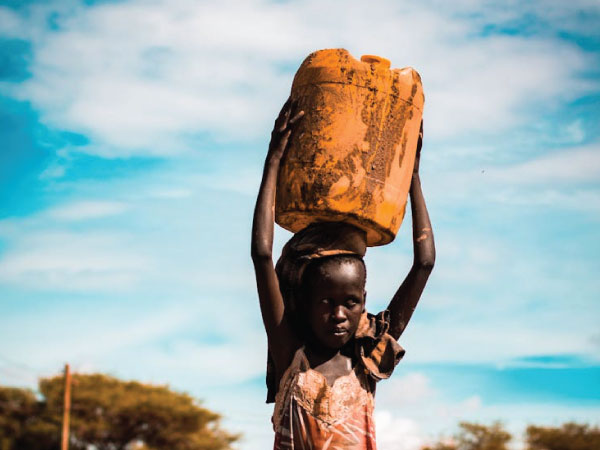

Our mission is to ensure that ASAL communities are resilient and adaptive to the adverse effects of climate change. Our vision? A thriving, resilient ASAL region with empowered communities capable of overcoming the challenges posed by climate change.
SACCAL envisions a future where ASAL communities are not only able to survive but thrive despite the harsh climatic conditions. This vision drives every project, partnership, and initiative undertaken by the organization. Located in the bustling capital city of Nairobi, SACCAL is strategically positioned to coordinate its activities across the ASAL regions. Nairobi's status as a major hub in East Africa provides SACCAL with access to a network of governmental agencies, international organizations, and other NGOs, facilitating collaboration and resource mobilization.
Founded with a clear mandate to address the pressing issue of climate change in Kenya's most vulnerable regions, SACCAL has grown from a small initiative to a robust organization with a significant impact. The journey of SACCAL began with a group of dedicated individuals who recognized the urgent need for targeted interventions in the ASAL regions. Over the years, SACCAL has developed a comprehensive approach that integrates community engagement, capacity building, policy advocacy, and the promotion of sustainable practices.
SACCAL operates on a set of core values and principles that guide its work: