
SACCAL addresses water scarcity in Kenya's Arid and Semi-Arid Lands (ASAL) through innovative water conservation initiatives. By implementing rainwater harvesting systems, promoting water-saving irrigation techniques like drip irrigation and mulching, and rehabilitating water points including boreholes and sand dams, SACCAL ensures reliable water access for domestic use, agriculture, and livestock. The organization conducts community training programs, establishes water user committees, and empowers women and youth with sustainable water management skills.
Additionally, SACCAL introduces smart water meters, solar-powered desalination units, and fog harvesting systems, while engaging in policy advocacy to influence water management strategies. These comprehensive efforts significantly enhance water security, reduce conflicts, and support sustainable agriculture, empowering ASAL communities to build resilience against climate change.
SACCAL enhances agriculture and food security in Kenya's Arid and Semi-Arid Lands (ASAL) by promoting sustainable agricultural practices, supporting local entrepreneurship, building community capacity, enhancing food security, and leveraging technology and innovation. SACCAL trains communities in drought-resistant crops, integrated farming systems, and water-saving irrigation methods; establishes microfinance programs and value addition initiatives; conducts participatory planning workshops and provides extensive training and extension services.
Saccal also implements livestock restocking programs, improved livestock production through production and bulking of hay for sustained fodder management, support community-based savings and loan associations, and introduce climate-resilient technologies and renewable energy solutions. These interventions have significantly increased crop yields and livestock productivity, improved market access and income for farmers, and strengthened the economic resilience and food security of ASAL communities.
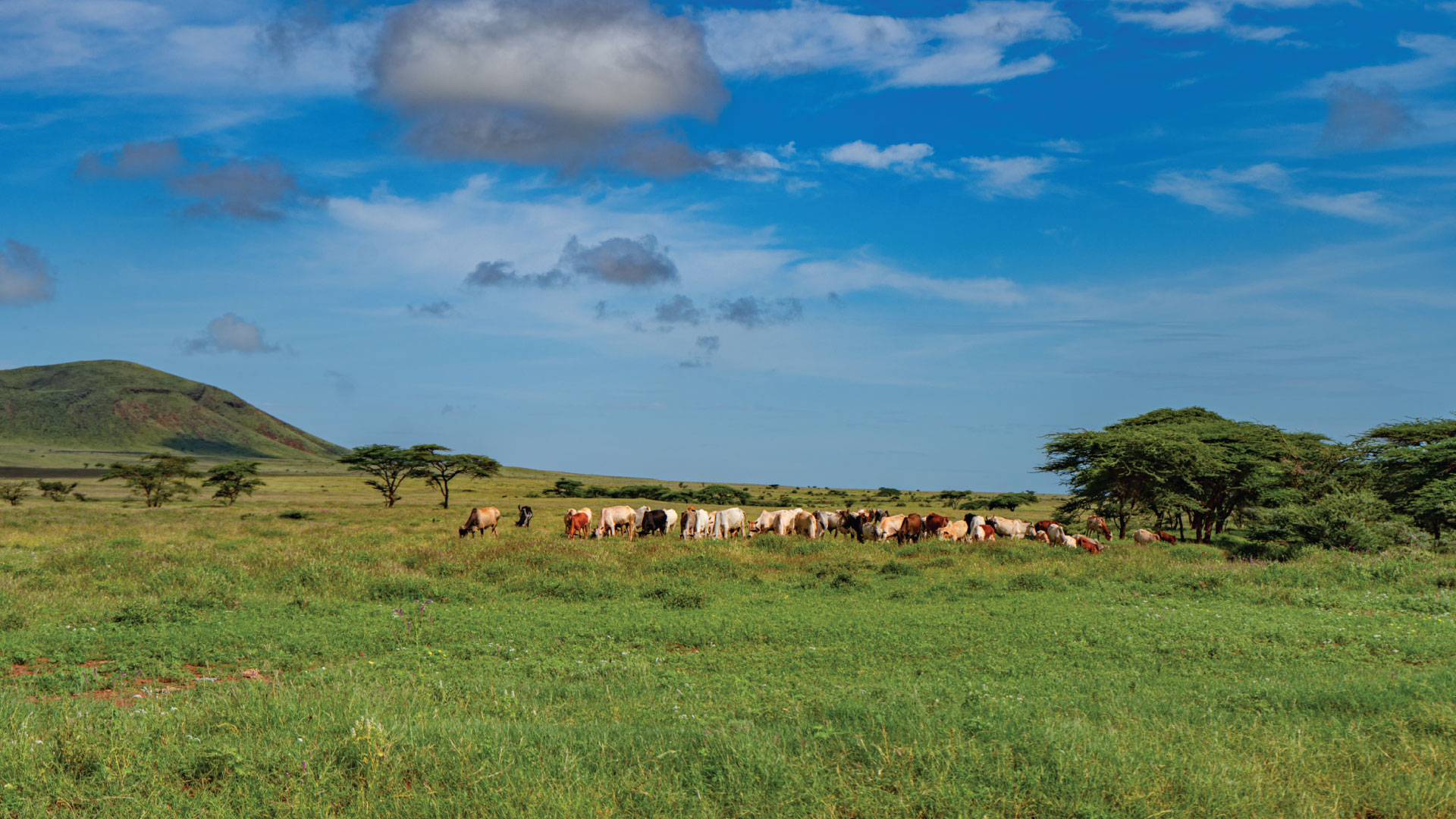
SACCAL delivers interventions for climate resilience education through comprehensive educational programs and interactive workshops designed to raise awareness and build capacity within ASAL communities. These initiatives include community-based training sessions that cover sustainable agricultural practices, water conservation techniques, and the use of drought-resistant crops, support community-based conservation of biodiversity of fauna and flora creating awareness on benefits of wildlife conservation.
SACCAL also collaborates with local schools and educational institutions to integrate climate change topics into their curricula, ensuring that the next generation is equipped with the knowledge and skills needed to adapt to changing environmental conditions. By engaging local leaders, households, women, and youth in these workshops, SACCAL fosters a culture of climate awareness and proactive adaptation strategies across the region. We achieve this through the establishment of tree seedlings in schools, women and youth groups to encourage tree planting of suitable species of trees, shrubs and grasses. This is critical to the rehabilitation of degraded grasslands, giving a new lease of life for fodder regeneration and production.

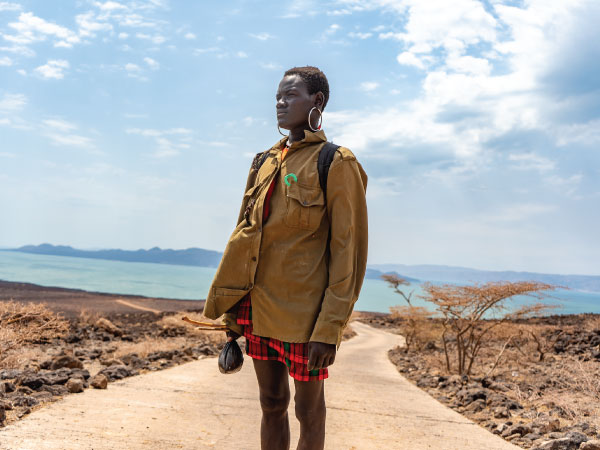
Sustainable Adaptations to Climate Changes in Arid Lands (SACCAL) is delivering impactful interventions for community engagement, particularly focusing on youth and women empowerment, through a series of targeted programs in Kenya’s ASAL regions. Saccal supports communities in acquiring valuable skillsets that leverage technologies required to harness natural resources like solar energy, and wind power. Supporting the education of children from vulnerable households through the payment of school fees, purchasing of school books / reading materials and feasible infrastructural development of facilities to improve quality of education in the area. Driving behaviour change to shift perceptions of communities to advance livelihoods and improve human health e.g. transforming cultural practices like FGM that are harmful to community health.
These programs include establishing Community Advisory Boards to ensure the active participation of youth and women in decision-making processes and implementing capacity- building initiatives that provide them with leadership and project management skills. Additionally, SACCAL promotes sustainable agricultural practices and entrepreneurship tailored to the needs of young people and women, offering microfinance opportunities, training in business skills, and market access for community-based enterprises. By creating platforms for innovation and providing necessary resources, SACCAL empowers youth and women to take leading roles in climate action and economic development, fostering a sense of ownership and responsibility within their communities.